







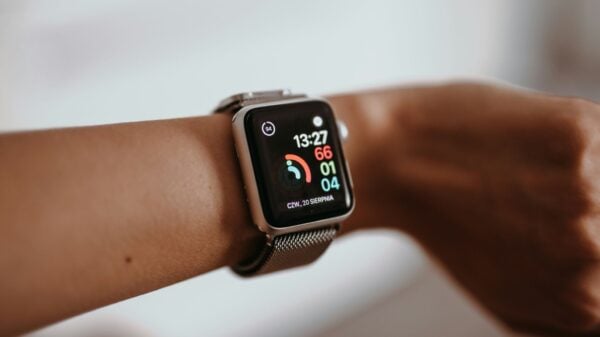
















The United States healthcare system currently faces an estimated $1.6 trillion in annual waste. A significant portion of this expenditure stems from fragmented data and a lack of early intervention for preventable conditions. Jude Odu, Founder of Health Cost IQ and author of Model Optimal Care, posits that the increasing market penetration of wearable technology, which now accounts for two-thirds of the U.S. market, offers a data-driven mechanism to address these systemic pricing dilemmas.
Data Integration and Risk Identification
Traditional healthcare models often rely on retrospective data, such as insurance claims, which record events after they have occurred. For example, wearables, such as Oura rings, shift this paradigm by providing “continuous” real-time biometric streams.
Let’s look at this point of view: Odu suggests that these devices transform fragmented data streams into holistic, actionable intelligence. For plan sponsors and self-insured employers, this integration allows for:
- Earlier Risk Detection: Identifying physiological shifts before they manifest as acute medical crises.
- Faster Intervention: Enabling clinical teams to engage with members at a stage where treatment is typically less invasive and more affordable.
- Prevention of High-Cost Conditions: Reducing the frequency of emergency room visits and chronic disease escalations through consistent monitoring.
This seems great, but now we can analyze from a deeper understanding. Let’s remember that the human brain functions with simple instructions that match our budget and personal routines and lives. We’ll need to take a closer look at our engagement with the purpose of wearable technology.
Patient Accountability and Engagement
A core challenge in managing health plan costs is the engagement gap, where members remain disconnected from their health data until a diagnosis is made. Wearables provide continuous feedback, which serves to keep the individual accountable for their daily health metrics.
When these devices are incorporated into structured employer wellness programs, the impact on the health plan’s bottom line is driven by several operational factors:
- Chronic Condition Management: Improved tracking of vitals leads to better adherence to treatment protocols for chronic illnesses.
- Reduced Absenteeism: Proactive health management tends to lower the number of days lost to illness.
- Cost Containment: The cumulative effect of these small-scale behavioral changes is a sustained reduction in overall health plan costs.
Strategic Implications for Plan Sponsors
The shift toward wearable adoption is characterized as a move away from fragmented care toward a more unified system. By linking real time data with preventative care, organizations can begin to address the root causes of healthcare waste rather than merely managing the resulting financial fallout.
As outlined in Odu’s framework, the goal is to utilize these technological tools to create a more cost-efficient delivery system that prioritizes results-driven data over traditional, high-waste administrative processes.
The integration of wearable technology into the broader U.S. healthcare infrastructure represents a strategic shift from reactive care to a proactive, hard data methodology. As Odu highlights, the current trajectory of the American healthcare system, marred by approximately $1.6 trillion in annual waste, is unsustainable for both government and employer-sponsored health plans. By leveraging the “holistic, actionable intelligence” generated by devices like Oura rings, plan sponsors can effectively bridge the gap between fragmented data streams and meaningful clinical intervention. This evolution is central to the framework Odu outlines in Model Optimal Care, which advocates for a technology-enabled, cost-efficient delivery system that transcends the limitations of traditional values-based care.
Ultimately, the success of this transition hinges on two primary factors: accountability and engagement. When patients receive continuous feedback on their own health metrics, they are more likely to remain engaged in the management of chronic conditions, thereby preventing the escalation of costly medical issues. For employers, the incentives are equally clear; higher engagement leads to measurable downstream effects, including lower absenteeism and sustained reductions in overall health plan costs.
By addressing healthcare waste at its core through real-time prevention and intelligent algorithms, the industry can move toward a more transparent and accountable managed asset model. This approach doesn’t just solve a pricing dilemma, it establishes a new standard for operational excellence in healthcare administration.