




























In Washington, healthcare reform has long been defined by debates over pricing, coverage, and regulation. But a new player is quietly entering the conversation—one that does not start in hospitals, insurance networks, or even policy frameworks. It starts on the finger.
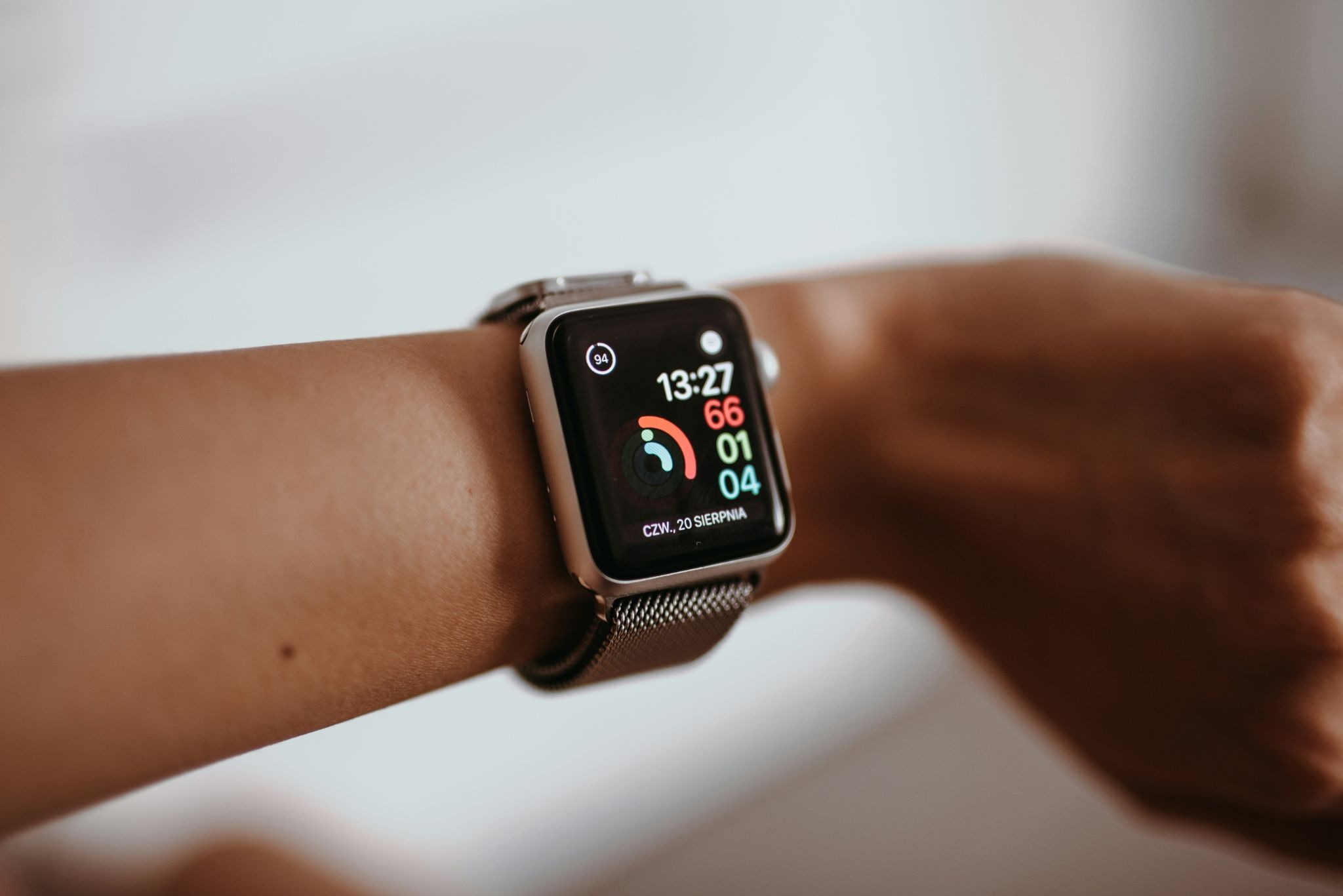
Wearable devices, particularly smart rings, are gaining traction across government, corporate, and consumer landscapes. What was once considered a niche fitness accessory is now being positioned as a tool capable of addressing some of the most persistent challenges in the U.S. healthcare system, including rising costs and chronic disease management.
The appeal is rooted in a fundamental shift in how health data is generated and used.
Traditional healthcare operates episodically. Patients seek care when symptoms appear, often after a condition has already progressed. This reactive model contributes significantly to rising costs, as late-stage treatment is typically more complex and expensive. Wearables, by contrast, introduce continuous monitoring—capturing real-time data on sleep, cardiovascular signals, activity levels, and other health indicators.
This evolution is not going unnoticed by policymakers. As adoption accelerates and companies like Oura expand their footprint across institutional environments, wearables are increasingly seen as a scalable way to promote early detection and preventive care. Their growing presence in government circles signals a broader interest in shifting healthcare strategies upstream, where intervention can occur before high-cost events materialize.
That shift aligns closely with ongoing efforts to address chronic disease, which remains one of the largest drivers of healthcare spending in the United States. Prevention, long discussed but difficult to implement at scale, becomes more feasible when individuals have constant access to their own health data.
As Jude Odu, Founder of Health Cost IQ and author of Model Optimal Care, explains, “wearable devices transform fragmented data streams into holistic, actionable intelligence that plan sponsors can use to identify risks earlier, intervene faster, and reduce preventable high-cost conditions.”
From a policy perspective, this capability introduces new possibilities—and new questions.
One of the most significant developments is the push to redefine how wearable devices are classified and regulated. Companies in the space are advocating for a new category that would allow wearables to function as early warning tools without undergoing the same approval processes required for medical devices. This distinction could accelerate innovation and expand access, but it also raises concerns about oversight and accountability.
The debate reflects a broader tension between speed and safety. On one hand, faster adoption of wearable technology could help address systemic inefficiencies, particularly those tied to delayed diagnosis and unmanaged chronic conditions. On the other, insufficient regulation could introduce risks related to data accuracy, privacy, and misuse.
Data privacy, in particular, has emerged as a central issue. Wearables collect a continuous stream of highly sensitive personal information, prompting questions about who owns that data, how it is used, and how it is protected. As these devices become more integrated into healthcare strategies, ensuring transparency and trust will be critical to their long-term viability.
Despite these challenges, the economic argument remains compelling.
The U.S. healthcare system continues to grapple with an estimated $1.6 trillion in annual waste, much of it tied to preventable conditions and inefficient care delivery. Wearables offer a potential pathway to reduce that burden—not by renegotiating costs after care is delivered, but by reducing the need for costly interventions in the first place.
For employers and policymakers alike, this represents a shift in mindset. Healthcare is no longer viewed solely as a system to manage illness, but as one that can actively maintain health. Continuous data, when used effectively, enables earlier intervention, more personalized care, and better long-term outcomes.
Still, technology alone is not a solution. Its impact will depend on how it is integrated into existing systems, how data is governed, and how individuals are encouraged to engage with the insights it provides.
Wearables now sit at the intersection of technology, policy, and economics. Their rise signals a broader transformation in how healthcare is understood and delivered—one that prioritizes prevention over reaction and insight over assumption.
Whether they ultimately fulfill their promise will depend not just on innovation, but on the frameworks built around them. What is clear, however, is that the conversation around healthcare reform is expanding—and this time, it is being shaped not only in policy rooms, but through the data people carry with them every day.