




























Clinical laboratories were built to operate in controlled environments. Wearable devices were not.
That contrast defines one of healthcare’s most consequential transitions: the movement of patient-generated data from consumer wellness into regulated clinical settings. What began as step counters and sleep trackers now produces continuous biometric streams that health systems, sponsors, and research organizations are evaluating for clinical application.
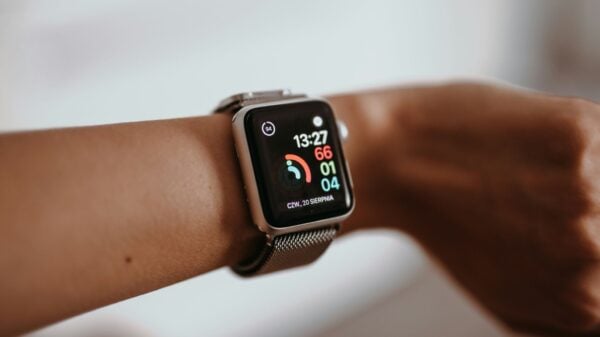
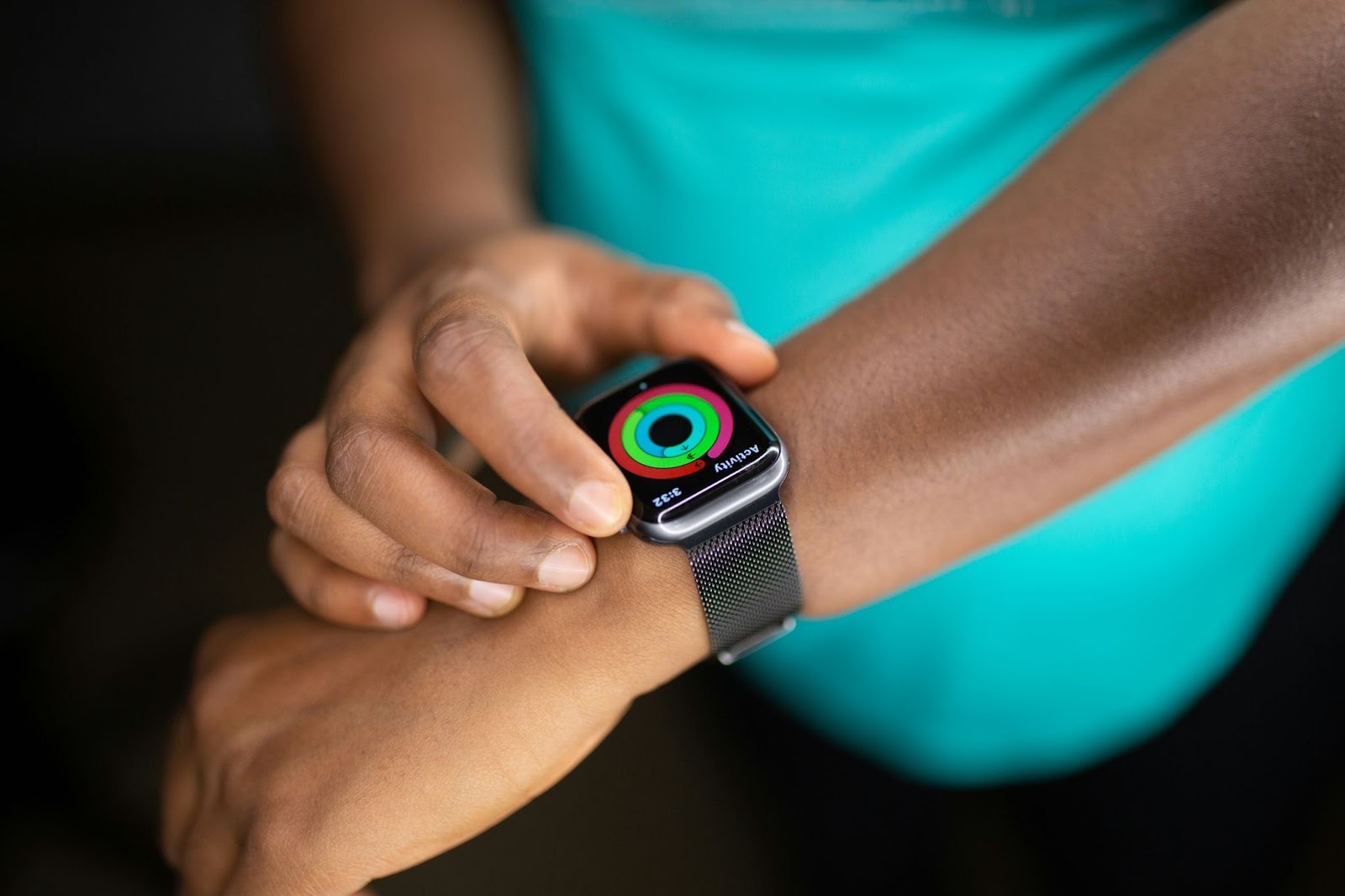
Adoption is no longer niche. A recent global survey found that 53.7% of respondents use wearable devices to monitor fitness activity, underscoring how embedded these tools have become in daily life. As wearable usage scales, so does the volume of real-world health data entering the broader healthcare ecosystem. For clinical laboratories, the question is no longer whether wearable data exists — but how it can be responsibly incorporated without compromising scientific standards.
Traditional laboratory testing operates within strict parameters. Specimen collection, instrument calibration, environmental controls, and documentation requirements are governed by regulatory frameworks designed to ensure reproducibility and traceability. Wearables, by contrast, function in uncontrolled environments. Device placement, firmware updates, user adherence, algorithm design, and even skin contact variability can influence outputs. Differences across manufacturers add another layer of inconsistency.
This variability presents a structural challenge. Continuous monitoring offers something traditional lab testing cannot: longitudinal insight. Trends in heart rate variability, oxygen saturation, sleep disruption, and activity levels may reveal patterns that episodic testing misses. In clinical research, these signals could support decentralized trial models, enhance patient monitoring, and provide supplemental safety data.
Yet volume does not automatically equal validity.
The distinction between wellness metrics and clinically actionable data remains critical. Not all data streams generated by wearables meet the thresholds required for diagnostic interpretation or regulatory submission. Determining which metrics demonstrate sufficient consistency, sensitivity, and specificity requires rigorous evaluation under controlled conditions.
Organizations such as AXIS Clinicals, a full-service contract research organization operating across the United States, Mexico, and India, are seeing how this evaluation is unfolding within research environments. With integrated bioanalytical capabilities and controlled study settings, CROs are often positioned to assess whether wearable-derived data can align with established laboratory endpoints while maintaining compliance expectations.
Many health systems and research partners are taking an incremental approach. Rather than broad deployment, targeted pilot initiatives allow teams to evaluate specific use cases — such as remote monitoring support or exploratory endpoints — while carefully reviewing data integrity, interoperability, and workflow impact. These pilots function less as technology rollouts and more as validation exercises, testing how wearable inputs perform alongside traditional laboratory measurements.
Data governance further complicates the transition. Clinical laboratories are structured around audit trails and documented chains of custody. Continuous digital data introduces new operational questions: how raw data is stored, how algorithms are version-controlled, how anomalies are reconciled, and how records can be audited retrospectively. If wearable-derived metrics are to influence trial endpoints or clinical decision-making, governance standards must be clearly defined.
Infrastructure readiness will likely determine how quickly wearable data moves into mainstream clinical workflows. Facilities capable of managing high sample volumes, integrating bioanalytical testing, and coordinating cross-functional data review are better positioned to evaluate wearable streams within structured research frameworks. Treating wearable data as an additional layer — rather than a replacement for established laboratory methodologies — allows organizations to explore innovation without diluting scientific rigor.
Wearables may have originated in the consumer fitness market, but their trajectory increasingly intersects with regulated clinical research. Their long-term role in healthcare will depend less on adoption rates and more on disciplined validation, regulatory alignment, and operational clarity. As healthcare systems become more data-rich and decentralized, clinical laboratories remain the gatekeepers — ensuring that new streams of information strengthen, rather than undermine, the integrity of clinical decision-making.