



























In the field of flight safety, there is a large focus on scenarios in which an aircraft takes off, flies or lands. Given the high risk of personal injury and property damage in such situations, the emphasis on safety is clearly justified.
However, ground handling also poses a myriad of risks to aircraft, equipment, structures, passengers and personnel. By most estimates, ramp accidents are responsible for billions of dollars in direct costs worldwide every year.
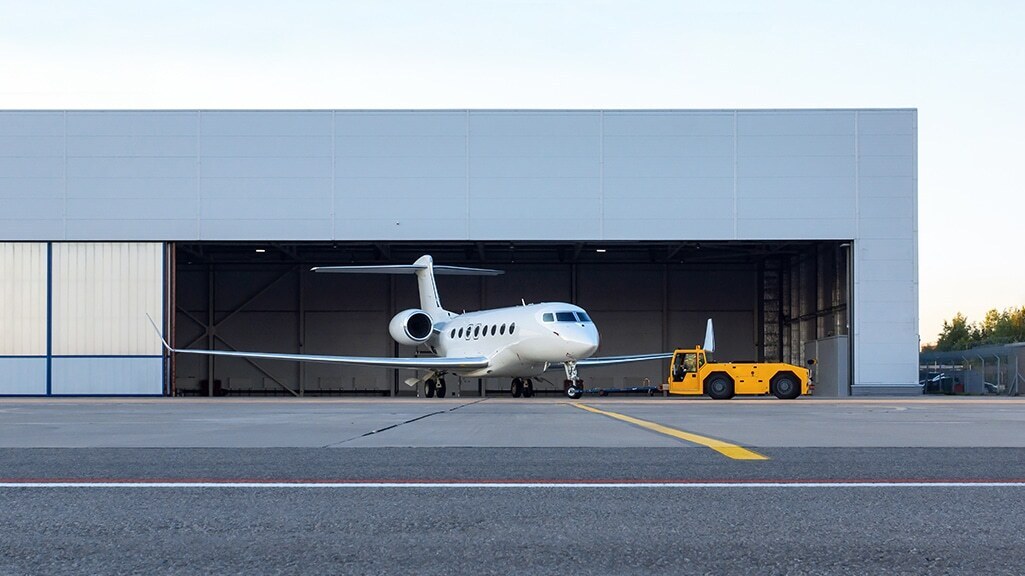
Global Aerospace provides valuable information on essential ramp accident risk reduction training and communications
When you add the costs of decommissioning aircraft, temporary replacement equipment, medical care for injuries, etc., the total increases significantly. Air carriers must also consider the immeasurable cost of lost business.
The good news is that companies can significantly reduce this financial impact by taking steps to minimize dock accidents.
The irony of the increase in accidents due to increased expertise
Of course, the risk of ramp accidents is highest for airlines that do not take steps to prevent them. However, organizations with excellent security protocols are not immune to incidents.
In fact, achieving a high level of proficiency in accident risk awareness and prevention can lead to another problem: complacency. It’s human nature that people begin to feel more relaxed about security when they’ve completed actions like moving, parking, waiting, or refueling airplanes hundreds or thousands of times without incident.
Fortunately, there are steps airlines can take to combat complacency.
Flight safety starts with self-confidence
Even before considering best practices for ground handling operations, organizations should ensure their team members understand the importance of self-assessment and self-awareness.
In the often chaotic ramp environment, it is common for employees to…