


























The OPEC+ group of major oil exporters meets on Wednesday to discuss their production strategy after US President Joe Biden urged Saudi Arabia to increase production to tame energy-driven inflation.
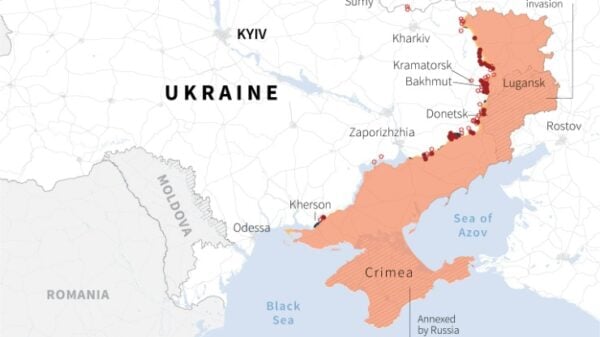
The cartel, led by Saudi Arabia and Russia, has so far resisted US pressure to significantly increase production after Moscow’s invasion of Ukraine pushed up oil prices.
After cutting production in 2020 in response to falling prices during the Covid pandemic, OPEC+ began raising output slightly last year and has renewed the policy every month.
Its production is said to have returned to pre-Covid levels – but only on paper as members of the 23-nation group struggled to meet their quotas.
Craig Erlam, an analyst at trading platform OANDA, said the OPEC+ meeting will show if “President Biden has any say in the cartel at all.”
Biden made a controversial trip to Saudi Arabia in July, in part to persuade the kingdom to loosen production faucets to stabilize the market and curb rampant inflation.
The US President met Crown Prince Mohammed bin Salman despite his promise to make the kingdom a “pariah” following the 2018 assassination of journalist Jamal Khashoggi.
Biden said after his meetings with Saudi officials he was doing “everything I can” to increase oil supplies.
“Saudi Arabia and its allies must decide whether to heed Joe Biden’s plea and increase production or show solidarity with Russia by staying put,” said Tamas Varga, an analyst at oil brokerage PVM.
Stephen Innes, managing partner at SPI Asset Management, said OPEC+ “is unlikely to announce a significant increase in production amid mounting recession fears” and a drop in oil prices since early June.
– More careful? –
After hitting nearly $140 a barrel in early March, crude oil prices fell further this week after weak economic data from China, the world’s largest oil importer.
The major contracts, Brent and WTI, are now trading below $100 a barrel.
“The noticeable drop in prices since yesterday (Monday) could make OPEC+ more cautious,” Commerzbank said in a statement.
Deutsche Bank said the news that Libyan production has returned to normal levels for the first time in almost four months could also serve as an argument against expanding production more.
OPEC+ began adding about 400,000 barrels per day to the market last year and renewed the policy every month through June, when it increased production by nearly 650,000 barrels per day.
Analysts say the group has now reversed cuts totaling 9.7 million barrels a day that had been agreed for 2020, if only in theory.
#OPEC #meeting #test #Bidens #Saudi #oil #bid