














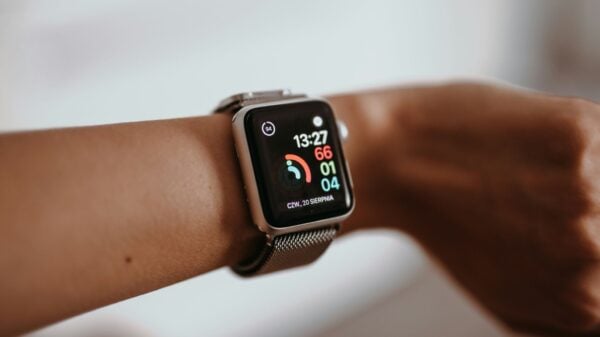













New research, made possible by CareEvolution’s research platform, shows that commercially available wearable devices show promise to monitor and predict population changes in COVID-19 activity and infection rates up to 12 days earlier than CDC data alone. This approach of using wearable devices to monitor infection rates complements existing methods of tracking viral diseases, including doctor appointments, laboratory test results, and sewage testing, by providing an early signal of changes in disease prevalence.
This data comes from DETECT, a collaborative study started at the onset of the COVID-19 pandemic by Scripps Research in partnership with CareEvolution and the Rockefeller Foundation. The study leverages CareEvolution’s digital clinical trials and research platform, MyDataHelps™, through which researchers collected resting heart rate and step count from wearable devices and self-reported data (such as test results, symptoms and demographic information) from thousands of participants from around the world collected United States.
On 09/22 Lancet Digital Health published a study based on DETECT data showing that wearables can detect variations in individual data, potentially before the participant feels any symptoms, providing an early indication of viral infection. The researchers showed that tracking changes in these sensor data can significantly improve predictions for the seven-day moving average of COVID-19 infection rates up to 12 days in the future if…