




















China has reportedly used a controversial tool to inject funds into political banks for the first time in over two years as Beijing increasingly turns to semi-official lenders to stimulate the economy at a time when monetary stimulus is limited rising global interest rates.
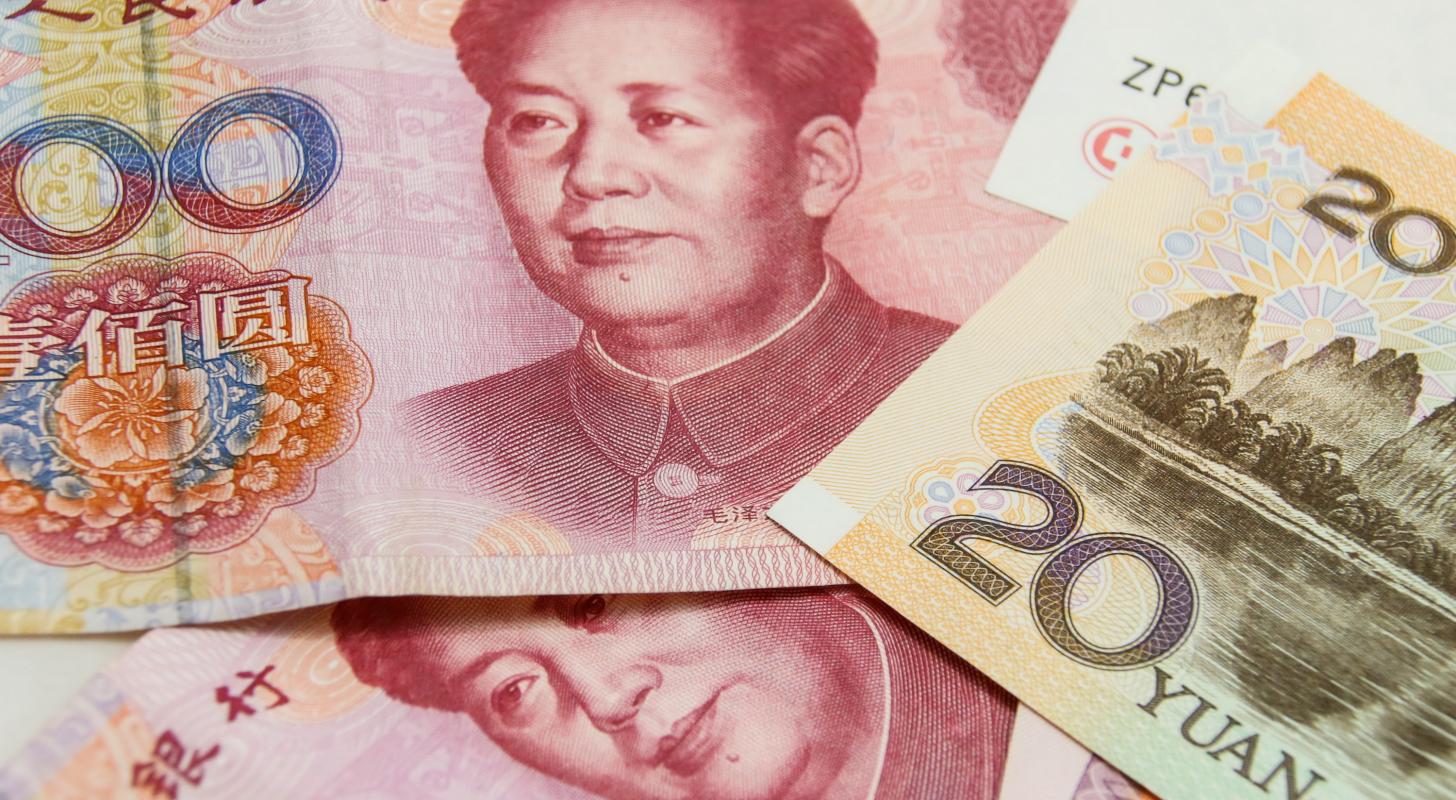
What happened: That People’s Bank of China added a net 108.2 billion yuan ($15.2 billion) in pledged supplementary loans, or PSL, in September Chinese Development Bank, Agricultural Development Bank of China ACGB and Export Import Bank of China, reported Bloomberg, citing a central bank statement released over the weekend.
See also: Best Forex Brokers
This is the tool’s first monthly increase since February 2020. It boosted PSL’s outstanding value to 2.65 trillion yuan, the report said.
PSL was established in 2014 by the People’s Bank of China to provide political banks with cash to fund the shantytown renovation program that helped reverse the property market downturn at the time. It was later criticized for inflating the housing bubble in lower-class cities.
take experts: Xiaojia Zhi, an economist at Credit Agricole CIB in Hong Kong, told Bloomberg that PSL’s funding push could play a big role in the coming months to support lending for specific sectors such as infrastructure, manufacturing and also low-income housing, such as the handover of sold real estate projects.
price action: That Global X MSCI China Financials ETF CHIX has lost over 22% since the beginning of the year while the SPDR S&P China ETF GXC has lost over 30% in the same period.
Continue reading: Why China’s central bank might find it easier to defend the yuan and ease currency woes in the coming weeks