





























Germany will offer 10 billion euros ($10.2 billion) in tax breaks to help workers deal with rising inflation, Finance Minister Christian Lindner said on Wednesday.
The package increases the basic tax-free amount and the level above which the maximum income tax rate of 42 percent applies. Families also benefit from higher tax exemptions for dependent children.
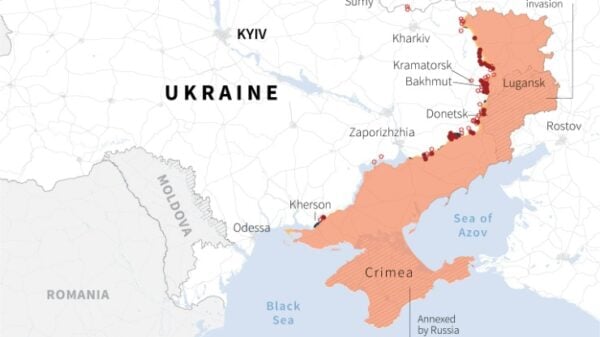
Inflation in Germany hit 7.5 percent in July, slightly lower than the 7.6 percent recorded in June, fueled mainly by energy prices that soared after Russia’s invasion of Ukraine.
Lindner said his plan is primarily aimed at tackling the problem of workers who are facing a higher tax burden because they received a wage increase to fight inflation.
As a result, the gain that workers received is essentially negated by the higher taxes due.
The phenomenon, known as “cold progression,” also typically hits lower incomes harder.
Lindner said 48 million Germans would face higher taxes from January 2023 if relief wasn’t offered.
“The fact that the state is benefiting at a time when everyday life is becoming more expensive is not fair and is also dangerous for economic development,” said Lindner.
– double strike –
The tax breaks come on top of a €30 billion package launched by Chancellor Olaf Scholz earlier this year to help consumers fight inflation.
The previous package included a reduction in mineral oil tax and a public transport ticket valid throughout Germany for only 9 euros a month for June, July and August.
But it’s clear that the clouds hanging over Europe’s largest economy are only darkening as the country heads into the colder months.
The Ukraine conflict has dashed Germany’s hopes of finally shaking off the corona pandemic and getting back on a growth course.
With its export-oriented industry, Germany is particularly vulnerable to the supply chain bottlenecks and raw material shortages caused by the pandemic.
But now Germans too are staring at doubling energy bills after Russia drastically cut back on its supply following its invasion of Ukraine.
The electricity crisis is not only eroding consumers’ purchasing power, it is also damaging German industry, much of which relies on cheap energy supplies to produce exports.
As a result, workers in Europe’s largest economy are facing higher costs and a growing risk of job losses as large companies shut down some factories because it may no longer be profitable to keep production lines running.
German growth stagnated in the second quarter of the year, but analysts have warned a recession in the second half of the year will be inevitable.
In their last forecast in March, the economic advisors of the federal government assumed that gross domestic product would grow by 1.8 percent in 2022.
#Germany #plans #billion #euro #tax #package #relieve #inflation