






















A Russian company hired people off the streets and paid them to post online comments intended to create the impression that Moscow’s invasion of Ukraine had grassroots support, Facebook owner Meta said Thursday.
The internet has been one of the frontlines in the internationally condemned war in which Russia is trying to quell criticism and promote narratives in support of the attack on its neighbor.
The deception campaign on Instagram, Facebook and other platforms was carried out by a “troll farm,” a disinformation operation that Meta said included people previously linked to a notorious Russian influencer group.
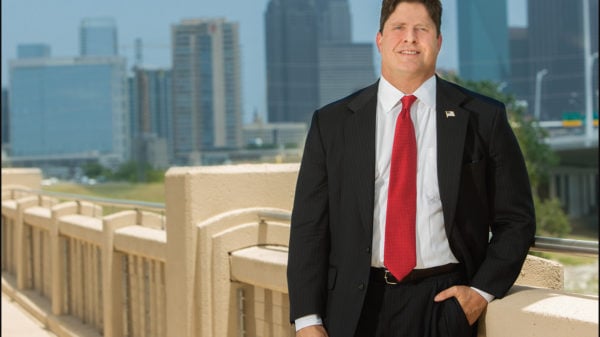
“We’re not talking about a dedicated band of patriotic trolls,” David Agranovich, director of Meta Threat Disruption, told AFP. “They were just faking it, people were literally being hired off the street.”
The effort came to light after a reporter from Russia’s Fontanka News Agency infiltrated the operation by getting a job at their St. Petersburg office, which caught Meta’s attention.
Some of those involved in the troll farm were previously linked to the Internet Research Agency (IRA), a Russian group linked to election interference in the United States and other countries since at least 2016, Meta said.
US authorities have offered a $10 million reward for information on election interference and are specifically looking for details about the IRA.
Meta shut down the network days after Fontanka reported in April on the group, which was advertising jobs for “spammers, commentators, content analysts, designers and programmers.”
The “poorly” run operation bore similarities to the IRA’s efforts some nine years ago, as it hired virtually anyone to help with the online deception, Ben Nimmo, Meta’s head of global threat intelligence, told AFP.
“It’s like 2013 is calling and it wants its troll farm back,” Nimmo joked. “It’s based on people flopping down on bean bags and getting paid to run fake accounts and publish those posts on the internet.”
Meta’s investigation revealed that trolls targeted comments on people’s content on Instagram, Facebook, TikTok, Twitter, YouTube, LinkedIn, VKontakte, and Odnoklassniki.
Trolls apparently worked shifts seven days a week, were given daily lunch breaks, and were paid about $440 a month, Meta said.
A twist, Nimmo noted, was that the operators also ran a public Telegram channel that encouraged people to leave pro-Russian comments on posts by politicians, influencers, or celebrities like Angelina Jolie or Morgan Freeman, and then trolled them take care of the task.
Meta even found instances of some of the hired trolls undermining deception efforts by infusing pro-Ukrainian comments into their work, Agranovich said.
Meta said it deleted 1,037 Instagram accounts and 45 Facebook accounts involved in the disinformation campaign.
#Russian #disinformation #operation #paid #proUkrainian #war #posts #meta