


























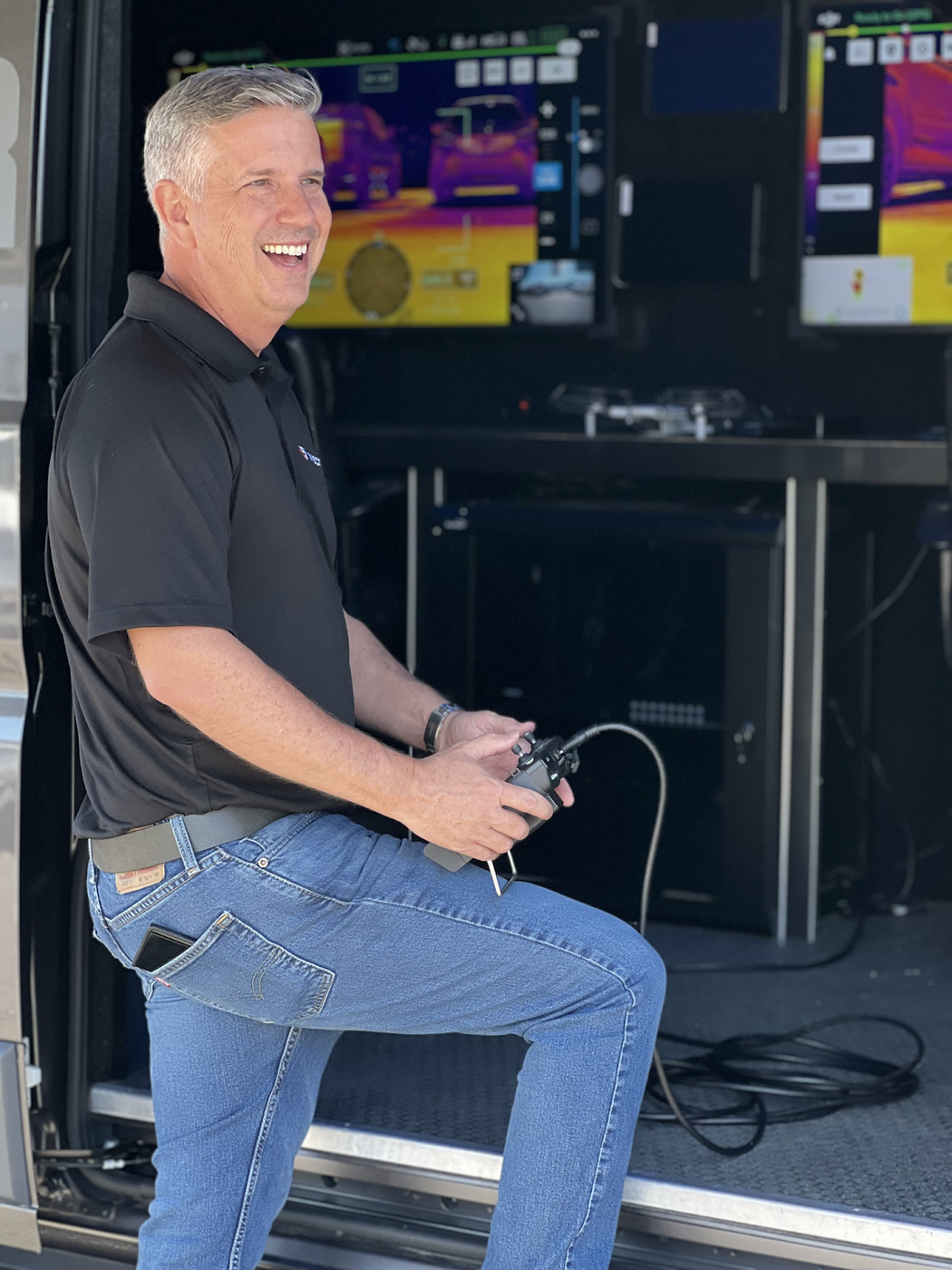
The clock is already ticking by the time first responders receive a call to respond to an emergency, but technology can shave precious seconds off their overall response time. For example, drones can capture images of crime scenes, scan collapsing buildings for signs of life, deliver life-saving medical supplies, use sonar to locate swimmers in murky water, locate injured hikers in acres of wilderness, and use aerial imagery to map entire disaster areas. In a race where every second counts, advancing technology can mean the difference between life and death.
The pioneering role of drones in public safety
Public safety was one of the first sectors to adopt drone technology. In 2017, there were an estimated 347 police departments, sheriff’s offices, emergency medical services, and fire departments in 43 states used drones to support first responders in action. According to a recent census of Atlas of Surveillance, at least 1,172 U.S. police departments are flying drones today, and that number is expected to continue to rise. The technology assists officers in search and rescue operations, traffic accident reconstructions, active shooter investigations, crime scene mapping, surveillance and crowd surveillance.
Brendon Bartholomew, President of Vector Solutions, is personally involved in equipping and training the first responders who use this life-saving technology. His aviation career began with over two decades of special operations experience in the United States Air Force. “When I retired from active duty in 2015, I wanted a job that involved more than flying commercial aircraft,” he recalls. “At Vector Solutions, we provide drone technology to the Department of Defense and over 100 public safety organizations across the country.”
Engineers around the world are constantly experimenting with prototypes and new applications to make the critical role of first responders safer and faster. Training programs like Vector Solutions keep you connected to these…