




















German auto giant Volkswagen said on Thursday it had managed to weather global economic headwinds and supply chain issues to deliver a “robust” performance in the first six months of 2022.
A week after Volkswagen announced that it was parting with its CEO Herbert Diess, the carmaker was “confident” about the second half of the year.
“Despite unprecedented global challenges, Volkswagen has demonstrated remarkable financial resilience,” said Chief Financial Officer Arno Antlitz.
“Despite all caution in view of the volatile market environment and geopolitical risks, we are confident that we can further accelerate the transformation of the group,” said Antlitz.
VW said its net income rose 26 percent to 10.6 billion euros ($10.8 billion) in the first six months, although earnings in the second quarter alone were impacted by an accounting effect related to volatility hedging of raw material prices was affected.
Operating profit rose from January to June by 16 percent to 13.2 billion euros.
“Strong performances by the premium and sports brand group contributed to this,” said VW.
Sales in the first half of the year remained almost stable at 132.3 billion euros, but sales fell by 14 percent to four million vehicles, not least because of the global shortage of semiconductors in the industry.
– Easing of supply bottlenecks –
Looking ahead, Volkswagen said it was “confirming its outlook for 2022… as supply constraints ease.”
The carmaker expects “that the product mix will normalize in the second half of the year, as the semiconductor situation improves in combination with a strong order situation,” it said.
“A noticeable recovery in monthly sales towards the end of the second quarter also bodes well for sales in the second half of the year,” it said.
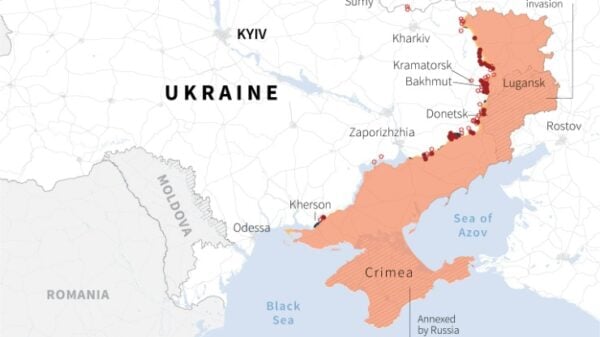
Nevertheless, it is “not yet possible to finally assess the specific effects of the war in Ukraine or the effects of the Covid 19 pandemic on the business of the Volkswagen Group, on the global economy and the growth of the industry in the 2022 fiscal year,” warned VW.
In Europe in particular, there were uncertainties in the energy supply.
Last week, Volkswagen surprisingly announced the departure of CEO Diess after four years at the top.
He will be replaced in September by Oliver Blume, the previous boss of the premium sports car brand Porsche.
Despite the change in management, there is “continuity” in the group’s strategic orientation towards electric vehicles, said Antlitz, who will remain on the board under Blume, in a conversation with journalists.
Blume is expected to be tasked with guiding Porsche through a long-planned IPO.
A final decision on the listing should be made in “late summer,” Antlitz told analysts in a conference call.
#Volkswagen #confident #global #headwind