




















Federal Reserve Governor Christopher Waller signaled Thursday that he could support a full percentage point hike in interest rates this month — the largest hike in more than 30 years and another indication of the central bank’s determination to quell sky-high inflation .
And although rising borrowing costs and sharp price jumps have fueled recession fears, Waller believes the economy is avoiding a downturn thanks to the strong US job market.
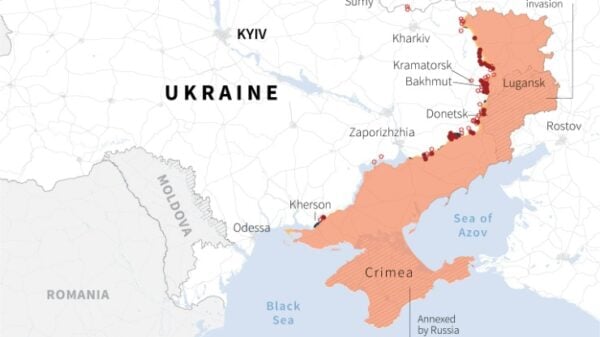
The Fed began aggressively raising borrowing costs in March to meet demand amid the impact of the Ukraine war, which has hit global food and oil supplies, and the Covid-19 lockdown in China, which has halted manufacturing of products from iPhones to towards cars have hampered to dampen .
But data so far has shown no significant signs of easing, and instead reports this week included a worrying rebound in inflation over the past month, with consumer prices rising 9.1 percent.
Elevated gas, food and housing costs have squeezed American families and increased pressure on President Joe Biden, whose approval ratings have been battered by the inexorable rise in prices.
Waller previously expressed support for another 75 basis point hike at the policy meeting later this month, but said Thursday he would monitor key retail sales and housing reports to come in by then.
“If this data comes in much stronger than expected, I would be leaning towards a larger hike at the July meeting as it shows demand is not easing fast enough to bring down inflation,” Waller said in a speech to a Economic Conference.
While US central bankers generally favor a fight against inflation, he is the first to point to the huge move, although he said he still expects a repeat of last month’s decision.
The Fed’s moves so far are “the fastest pace of tightening in nearly 30 years,” Waller said, but the big move in June was “not an overreaction” given repeated strong inflation readings since the start of the year.
“With inflation this high, tightening is a virtue in the first place,” he said. “Getting there sooner will increase public confidence that we can bring inflation down,” so high prices don’t become entrenched in the economy.
A full rate hike would certainly be the biggest since 1990 and probably the most aggressive since a decade earlier, when then-Fed Chairman Paul Volcker stalled the economy to curb runaway inflation.
After what Waller called the “major league disappointment” in inflation data, the government is due to announce June retail sales on Friday, followed by new home sales on July 26 — the first day of the Fed’s two-day monetary policy meeting — This will be key to showing how consumers react to rising interest rates.
– ‘I just don’t see it’ –
Waller said the Fed was wrong last year when it “bet on the farm” expecting price spikes would be temporary and thought supply chain disruptions caused by the pandemic would recede quickly.
Policymakers should have acted earlier to start removing stimulus by slowing the massive bond purchases carried out during the Covid-19 downturn to support the financial system, he said.
He downplayed the recent rise in recession fears, saying a slowdown was unlikely given very tight labor markets.
“I believe it can be avoided,” he said, noting that the economy can cool down and reduce the vacancy surplus without a sharp rise in unemployment, which he says is the lowest it has been in seven decades .
“I just don’t see it,” he said of the recession chances, noting that GDP data, which was negative in the first quarter and trended down in the second quarter, is likely to be revised upwards.
“The labor market would have to really deteriorate” for a recession to happen, he said, but policymakers need to dampen demand to ease wage and price pressures.
“That’s exactly what we have to do, I’m sorry. It is the job (of the Fed) given by Congress.”
#Official #Fed #signals #willingness #raise #interest #rates #full #percentage #points