



























Wildfires start earlier, last longer, and are increasingly devastating to communities and natural wonders in many parts of the world. They also lead to enormous pollution of the air.
The greatest health hazard from smoke comes from microscopic particles.
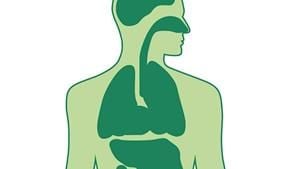
90% of the total mass of wildfire smoke consists of particles smaller than 2.5 microns (0.0001 inches!), known as PM2.5. Smoke can be carried by air currents to populated areas miles from the actual fire, and PM2.5 particles can penetrate deep into the lungs and bloodstream of local residents. Wildfires also release gaseous hydrocarbons and nitrogen oxides that form ground-level ozone. The noxious gases and fine particles cause a range of health problems, from burning eyes and runny nose to aggravated chronic heart and lung diseases.
Smoke from wildfires drawn into a building through an HVAC ventilation system without proper filtration can spread these risks to the entire facility.
-
In hospitals, outpatient or inpatient care facilities, patients and visitors are particularly susceptible to these pollutants.
-
Smoke odor can linger and cause lost learning and productivity in schools and commercial buildings.
-
Sensitive devices and manufactured products such as microelectronic parts or food and beverages can be damaged or destroyed.
Protect yourself and your facility during wildfire season.
The most common temporary solution to combat wildfire smoke odor is to use CityPleat Air filters that provide 20-30% removal of gaseous contaminants.
FINE PARTICLES:
Use a high performance MERV 13A or higher filter such as: Durafil ES2 or Hi Flo ES.
LONGER LIFE AND GASEOUS POLLUTION & ODOURS:
Use for longer filter life and over 90% removal of gaseous contaminants and odors CityCarb I High capacity molecular/MERV15/14A-V bank filters.
ROOM RESTRICTIONS:
If space allows, use a CitySorb DP High capacity molecular filter…